Rising damp treatment and waterproofing
A damp wall is not one fault but five different ones, and each needs something else. Injection does nothing for condensation, renovating plaster will not stop rising damp, and excavation will not help if a downpipe leaks. Tell us how the damp behaves at your place. We read the enquiry and pass it to a company that does this work in your area.
A section through the substructure: how the water gets in
Damp is identified by the route it takes into the masonry. These are the three most common cases in an older house, read vertically from the inside down into the subsoil. Get the route wrong and you get the method wrong, and the money is gone without the wall drying out.
Rising damp: no horizontal barrier
- 01Dry plaster above the rising damp line
- 02Damp band with salt efflorescence, crumbling plaster
- 03Masonry soaked by water drawn up through capillaries
- 04Where the horizontal barrier belongs: injection or sawing
- 05Foundation masonry
- 06Subsoil holding ground moisture
Lateral ingress: wall against soil
- 01Internal cellar plaster
- 02Damp across the whole wall that adjoins the soil
- 03External masonry below ground level
- 04Vertical waterproofing on a cleaned and levelled face
- 05Dimple membrane protecting the waterproofing
- 06Drainage at the footing, falling to an outlet
- 07Backfill with free-draining material
Condensation: moisture from inside
- 01Paint, often with mould in the corners
- 02Water vapour condensing on the coldest surface
- 03Internal plaster
- 04Masonry, chilled in the corner by a thermal bridge
- 05Outside air
- 06Fixed by ventilation and heating, not by injection
Which method suits which cause
The table is a signpost, not a diagnosis. It shows what is usually done for each cause and, more importantly, what that method will not fix. The second column matters more: most disappointment with damp proofing comes from the right method being used on the wrong cause.
Swipe the table sideways.
| Cause of the damp | How it shows | What is usually done | What it will not fix |
|---|---|---|---|
| Rising damp | The damp band grows upwards from the floor, the plaster shows salt efflorescence and falls off near the base | A retrofitted horizontal barrier: wall injection or sawing, followed by renovating plaster | It does nothing at all for leaks or condensation |
| Lateral ingress of ground moisture | Damp sits at the level of the surrounding ground and on walls adjoining the soil, across the whole cellar wall | Excavation, vertical waterproofing, dimple membrane and drainage at the footing | It does not replace a missing horizontal barrier |
| Water under pressure | Water returns even after drying, stands in the lowest spots, and changes with the groundwater level | Waterproofing rated for water under pressure; the design belongs to an engineer, not to a crew on site | Injection or renovating plaster alone will not seal this |
| Condensation | Damp and mould on the coldest surfaces and in corners, worse during the heating season | Ventilation, heating, removing the thermal bridge, sometimes mechanical ventilation | Injection has no effect whatsoever on condensation |
| Leaks from a building fault | Damp appears after rain and locally: under a window, by a downpipe, at a sill, at a crack | Repair the source: downpipe, flashing, sill, crack, joint | While the source is still there, no damp proofing will help |
| Burst or leaking services | Damp spreads quickly and with no relation to the weather, often in one spot | Find and repair the leak, and only then dry out and treat the wall | There is no point ordering damp proofing before the repair |
What we handle
The five most common briefs. For each one you will find how it is done, when it makes sense and what is worth asking the contractor.
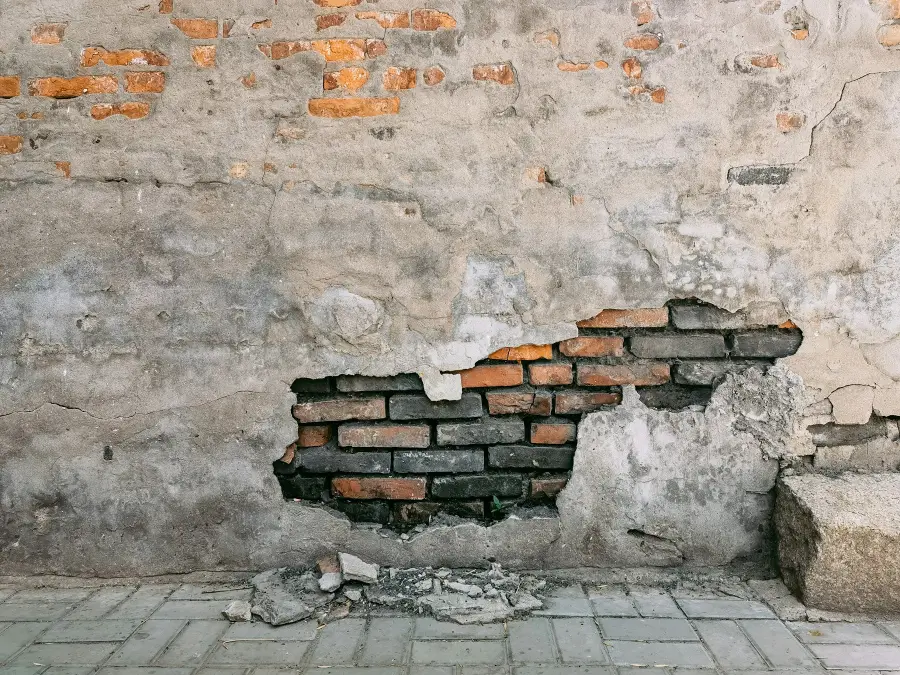
Rising damp treatment
First find out where the water comes from. Only then does the method matter, because every cause needs something different.
Damp proofing injection
A retrofitted horizontal barrier without demolition. Drilled holes, injection product, capillaries in the masonry sealed.
Sawing in a damp course
A mechanical barrier set into the bed joint. Where it beats injection and where it cannot be used at all.
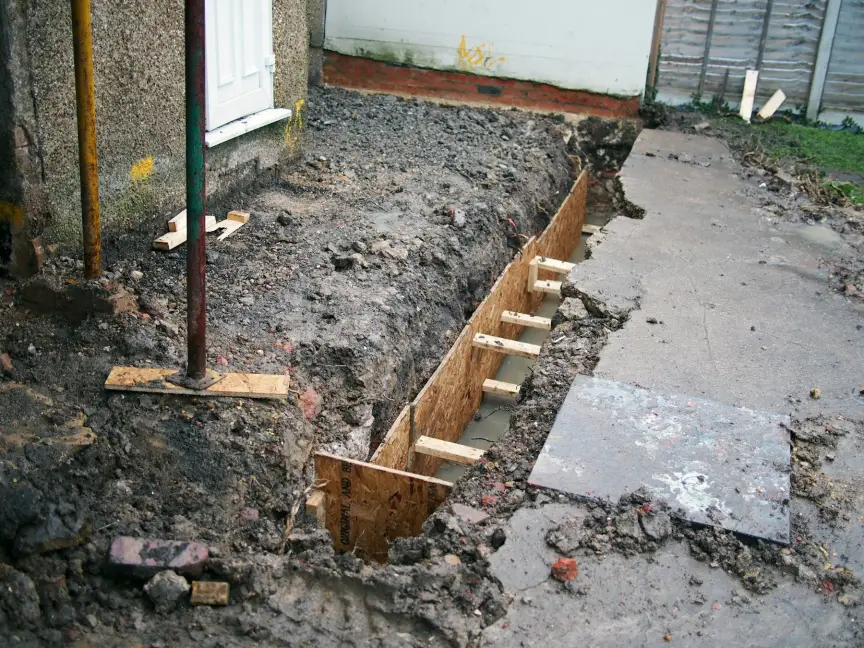
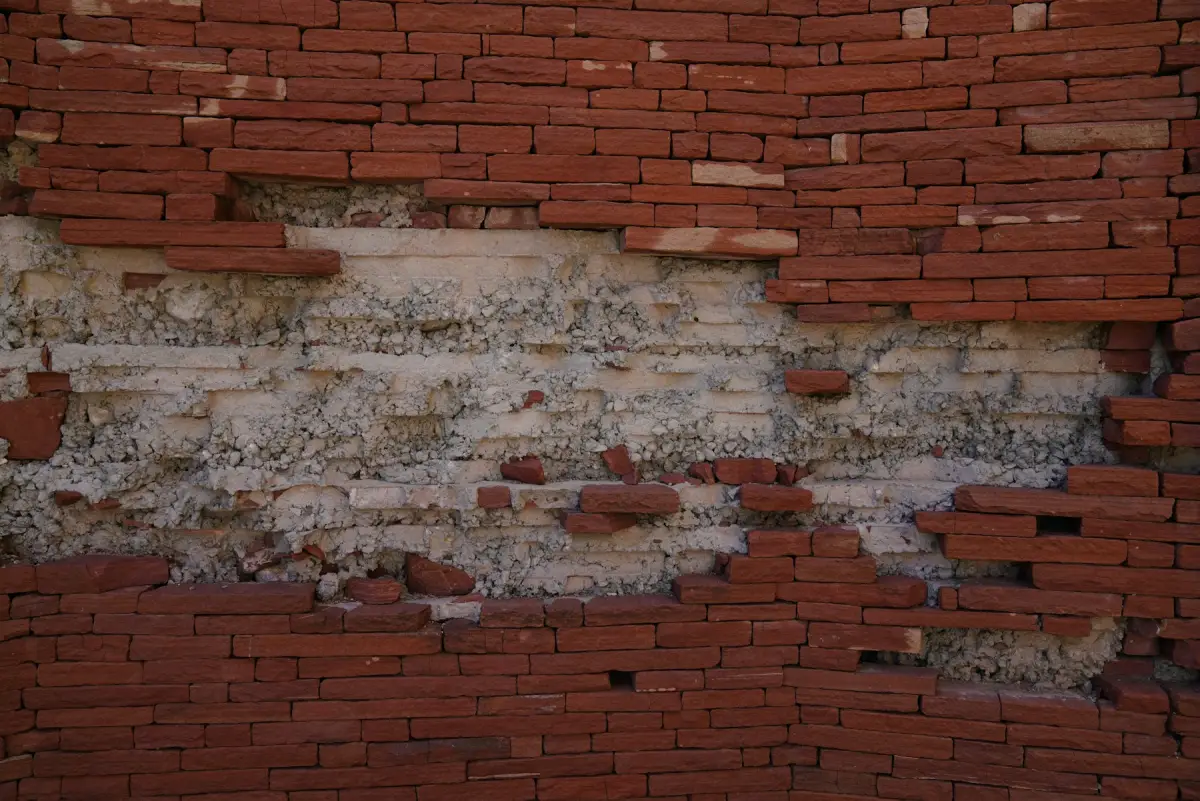
Foundation waterproofing
Vertical waterproofing of the substructure, dimple membrane and drainage. It stops water entering the wall from the side.
What drives the price
What a budget is built from, which items quotes leave out, and how to compare two of them.
How the survey works
The survey is the part that cannot be skipped, and the part cheap quotes leave out. Without it there is no way to choose a method or estimate the scope.
- Inspection inside and out. Height of the damp band, state of the plaster, salt efflorescence, mould.
- The ground around the house. Which way it falls, where the downpipes go, the path, where roof water ends up.
- An opening into the masonry. Shows the material, thickness, build-up and whether any barrier is there at all.
- Moisture readings. At several points and heights, otherwise there is no telling where the band ends.
- Salts in the masonry. They decide which plaster may be used.
- Ground and foundation levels. Where the floor sits relative to the ground outside.
- History of the house. What has already been done, when the damp appeared, whether there was a burst pipe.
- Behaviour over time. Worse after rain, or during the heating season? That alone separates the causes.
A contractor who proposes a method over the phone without seeing the building is worth skipping. It is not about trust; it is that a cause cannot be established over the phone.
How it works
- You tell us how the damp behavesWhere it is, how high it reaches, when it gets worse and what has already been tried. A photo of the wall and of the ground outside helps more than a paragraph of text.
- We fill in the gapsWe ask for what the contractor will need: age of the house, masonry material, ground level, whether there is a cellar.
- We pass it to a company in your areaThe enquiry goes to a company that does damp proofing where you live. If we have nobody there, we tell you straight away.
- Survey and a written quoteThe contractor comes out, carries out the survey and sends a quote with the method, the scope and the plaster works.
Warning signs
Damp is a field where poor work only shows years later, which makes it fertile ground for quick offers. These are the warning signs you can spot without any expertise:
- A method chosen over the phone. Without an inspection there is no cause, and so no method.
- A promise that the wall will be dry by a given date. Drying depends on the masonry, salts and ventilation, not on the contractor.
- One method for everything. Someone who only does injection will find rising damp even where it is condensation.
- A quote with no plaster works. The barrier is half the job; the other half is what happens to salt-laden plaster.
- No line item for the survey. When it is not charged for, it usually is not done.
- No evidence of the product used. With injection it should be clear what was injected and how much was used.
How to compare quotes so the comparison means something is on What drives the price.
Tell us where it is damp
A few sentences are enough. We read every enquiry, fill in the missing details with you and pass it to a company that does damp proofing in your area. If we have nobody there, we say so straight away instead of leaving you waiting.
Prefer to call? 775 654 443
Frequently asked questions
How do I tell where the damp is coming from?
From where the damp sits and when it gets worse. Rising damp grows upwards from the floor and leaves salt efflorescence on the plaster. Lateral ingress sits at the level of the ground outside. Condensation shows on the coldest surfaces and in corners and is worse during the heating season. Leaks appear after rain and locally. There is a signpost in the table of causes and methods, but only a survey gives certainty.
Is injection better than sawing in a damp course?
Neither is better in general. What decides is the material and build-up of the masonry, its thickness, the bed joints and access to the wall. Mixed stone masonry cannot be sawn, regular brickwork can. A contractor should be able to explain why they propose one rather than the other.
How much does rising damp treatment cost?
There is no honest single figure, because the budget comes from the length of the walls, the thickness of the masonry, access, how much has to be excavated and what happens to the plaster. What the price is built from is set out on What drives the price. A binding figure comes in a written quote after the survey.
How long before the wall dries out?
A barrier stops water coming in, but the water the masonry has already absorbed has to leave on its own. How long that takes depends on the thickness and material of the wall, on the salt content and on how well the space is ventilated and heated. Nobody can promise you a date, and a claim such as "dry within a month" should be treated as a warning sign.
Do I need a building permit for damp proofing work?
It depends on the scope and on where the house stands. The framework is the Czech Building Act 283/2021 Coll. and the decision rests with your local building authority. For excavation at a plot boundary, for work on foundations and for buildings in a heritage zone, always ask. Check it before you have a quote prepared.
Will renovating plaster fix it on its own?
Renovating plaster can work with the moisture and salts left in the masonry and makes the wall usable again. What it will not do is stop water coming in. Applied without a barrier where the wall is still rising damp, it only postpones the problem by a few years. The order is always the same: find the cause, stop the water, then the plaster.